
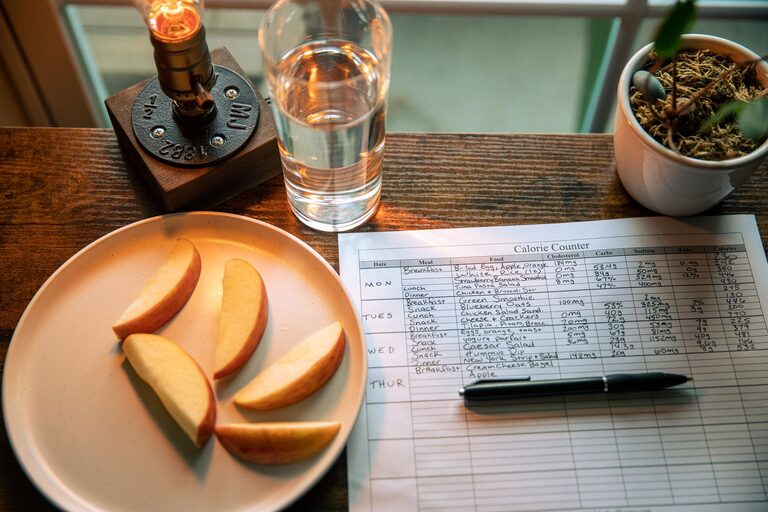
Planning balanced meals can sometimes feel like a daunting task, especially with busy schedules and the constant flood of nutrition advice. However, creating nutritious, satisfying meals doesn’t have to be stressful or complicated. With a few straightforward strategies, you can enjoy well-rounded meals that support your health and fit your lifestyle.
In this guide, we’ll walk you through easy steps to plan balanced meals without stress, so you can feel confident and enjoy your food every day.
What Are Balanced Meals?
A balanced meal typically includes a mix of:
– Proteins: Helps build and repair tissues (e.g., lean meats, beans, tofu).
– Carbohydrates: Provides energy (e.g., whole grains, vegetables, fruits).
– Healthy Fats: Supports brain function and overall health (e.g., nuts, avocados, olive oil).
– Fiber: Aids digestion and keeps you full (found in fruits, vegetables, whole grains).
– Vitamins and Minerals: Essential for various body functions and immune support.
The goal is to incorporate a variety of these elements to meet your nutritional needs.
Step 1: Start with a Meal Planning Routine
Creating a routine can reduce last-minute stress and help you make healthier choices.
– Set a Weekly Planning Time: Choose a day and time each week to plan your meals.
– Check Your Schedule: Consider busy days and plan quicker or make-ahead meals accordingly.
– Make a Simple List: Focus on 3 to 5 main meals and a few snack options.
Step 2: Use the Plate Method for Easy Balance
The plate method is an easy visual tool to help you build balanced meals without the need for exact measurements.
- **Fill Half Your Plate with Vegetables or Fruits:** Aim for colorful options to maximize nutrients.
- **One Quarter with Protein:** Choose lean or plant-based proteins.
- **One Quarter with Whole Grains or Starchy Veggies:** Brown rice, quinoa, sweet potatoes, or whole wheat pasta are good choices.
- **Add a Small Portion of Healthy Fats:** Such as a drizzle of olive oil or a handful of nuts.
Step 3: Plan Versatile Ingredients
Selecting ingredients that can be used in multiple meals helps simplify shopping and cooking.
– Cook in Batches: Prepare large portions of grains, beans, or roasted vegetables to use in different dishes.
– Choose Ingredients with Multiple Uses: For example, spinach can go in salads, omelets, and smoothies.
– Mix and Match Proteins and Sides: This keeps meals interesting without much extra effort.
Step 4: Keep a Well-Stocked Pantry and Freezer
Having staple foods on hand saves time and reduces stress when you need to whip up a meal.
Pantry Essentials:
– Canned beans and lentils
– Whole grains (brown rice, quinoa, oats)
– Healthy oils (olive oil, avocado oil)
– Nuts, seeds, and dried fruits
– Spices and herbs
Freezer Essentials:
– Frozen vegetables and fruits
– Lean meats or plant-based alternatives
– Pre-made healthy sauces or soups
Step 5: Use Simple Cooking Methods
You don’t need to be a gourmet chef to prepare balanced meals. Simple methods like roasting, steaming, or stir-frying are quick and delicious.
– Roasting: Brings out natural sweetness in veggies and requires minimal hands-on time.
– Steaming: Retains nutrients and is great for vegetables and fish.
– Stir-Frying: A fast way to combine proteins and veggies in one pan.
– One-Pot Meals: Soups, stews, or casseroles can be nutritious and require little clean-up.
Step 6: Listen to Your Body and Enjoy Your Food
Balanced meals are not just about nutrients, but also about satisfaction and enjoyment. Pay attention to your hunger and fullness cues, and don’t be afraid to include your favorite flavors and comfort foods in moderation.
Tips for Staying Consistent
– Start Small: Plan just a few meals a week instead of every day.
– Use Leftovers: Repurpose last night’s dinner for lunch.
– Keep It Flexible: If plans change, adjust without guilt.
– Involve Family or Friends: Meal planning can be more fun and less stressful when shared.
Sample Balanced Meal Ideas
– Grilled chicken with quinoa and steamed broccoli drizzled with olive oil
– Vegetable stir-fry with tofu and brown rice
– Lentil soup with a side salad and whole grain bread
– Omelet with spinach, tomatoes, and a slice of whole wheat toast
– Baked salmon with roasted sweet potatoes and asparagus
—
Planning balanced meals doesn’t need to be overwhelming. By organizing your time, choosing versatile ingredients, and following simple guidelines like the plate method, you can enjoy nutritious, delicious meals every day without stress. Remember, the key is progress, not perfection. Happy meal planning!