
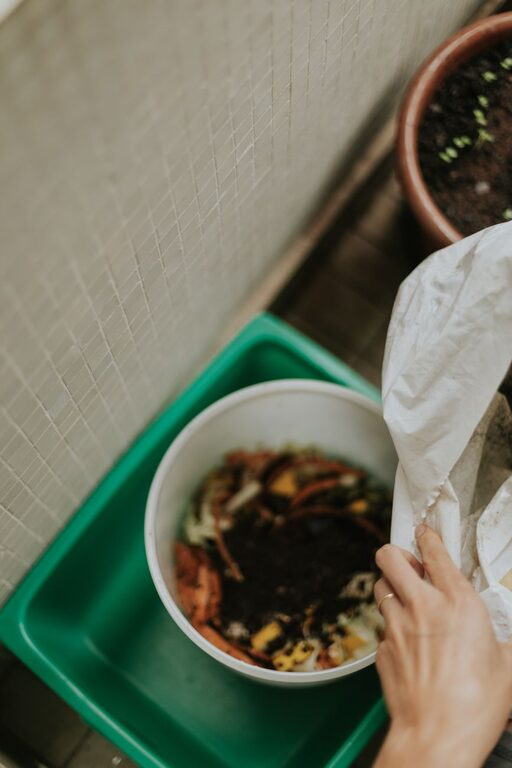
Reducing food waste at home is a smart way to save money, minimize environmental impact, and make the most of the food you buy. Each year, millions of tons of food are wasted globally, much of it coming from household kitchens. Fortunately, small changes in how you shop, store, and use food can add up to big results. In this post, we’ll explore practical, easy-to-follow ways to reduce food waste in your daily routine.
Understand Why Food Waste Happens
Before diving into specific tips, it helps to understand common reasons food goes to waste:
– Buying more food than you can eat before it spoils
– Improper food storage causing premature spoilage
– Confusing food labels like “sell by” and “use by”
– Cooking or serving too much food at once
– Forgetting about leftovers or expired ingredients
With these factors in mind, you can take targeted steps to reduce waste and enjoy fresher, more delicious meals.
Plan Your Meals and Shopping Carefully
One of the best ways to prevent food waste is to shop and cook intentionally.
Make a Weekly Meal Plan
– Plan meals around what you already have in your pantry and fridge.
– Include a variety of dishes using fresh, frozen, and leftover ingredients.
– Note down exact portions and ingredients required to avoid overbuying.
Create and Stick to a Shopping List
– Write a detailed list based on your meal plan.
– Avoid impulse purchases by sticking to your list.
– Consider shopping smaller, more frequent times instead of bulk buying perishable foods.
Store Food Properly
Proper storage extends the life of your food and keeps it safe.
Keep Your Fridge Organized
– Store items by category to avoid forgetting what you have.
– Place newer groceries behind older items so you use older food first (“first in, first out”).
– Use clear containers or labels to easily identify leftovers.
Use Ideal Storage Techniques
– Keep fruits and vegetables in appropriate humidity drawers.
– Store bread in a cool, dry place or freeze for longer storage.
– Wrap leafy greens in paper towels to absorb moisture and keep them crisp.
Get Creative with Leftovers
Leftovers are a valuable resource that often ends up in the trash. Instead, repurpose them into new meals.
Ideas for Using Leftovers
– Transform roasted vegetables into soups or frittatas.
– Use leftover rice or grains to make stir-fries or salad bowls.
– Incorporate stale bread into breadcrumbs or croutons.
Store Leftovers Safely
– Use airtight containers to preserve freshness.
– Label with dates to keep track of how long they’ve been stored.
– Consume leftovers within 3-4 days to ensure safety.
Understand Food Labels Better
Many people throw food away prematurely due to confusion about labels.
– “Sell by” is intended for stores, indicating when the product should be sold, not when it’s unsafe to eat.
– “Use by” or “best before” suggest peak quality, but many foods remain safe after these dates.
– Use your senses—smell, texture, and sight—to judge food freshness.
Use Food Scraps Wisely
Food scraps don’t have to go straight into the trash.
Composting
– Compost vegetable peels, coffee grounds, egg shells, and other organic waste to enrich your garden soil.
– Many communities offer compost pickup or drop-off programs if you don’t have space at home.
Other Uses
– Save citrus peels to infuse water or make natural cleaners.
– Use vegetable scraps to make homemade broth.
Practice Portion Control
Serving just the right amount of food helps cut down on leftovers and waste.
– Start with smaller portions and go back for seconds if still hungry.
– Use measuring tools or portion guides to avoid cooking too much.
– When eating out or ordering in, consider sharing dishes or saving some for later.
Educate and Involve Your Household
Waste reduction is easier when everyone in your home is aware and involved.
– Share tips and goals with family or roommates.
– Assign tasks like meal planning, shopping, or composting.
– Encourage mindful eating habits and appreciation for food.
Conclusion
Reducing food waste at home is achievable with thoughtful planning, proper storage, and a little creativity. By adopting these habits, you’ll not only save money but also contribute to a healthier planet. Start small, stay consistent, and enjoy the benefits of a kitchen that respects food and minimizes waste.